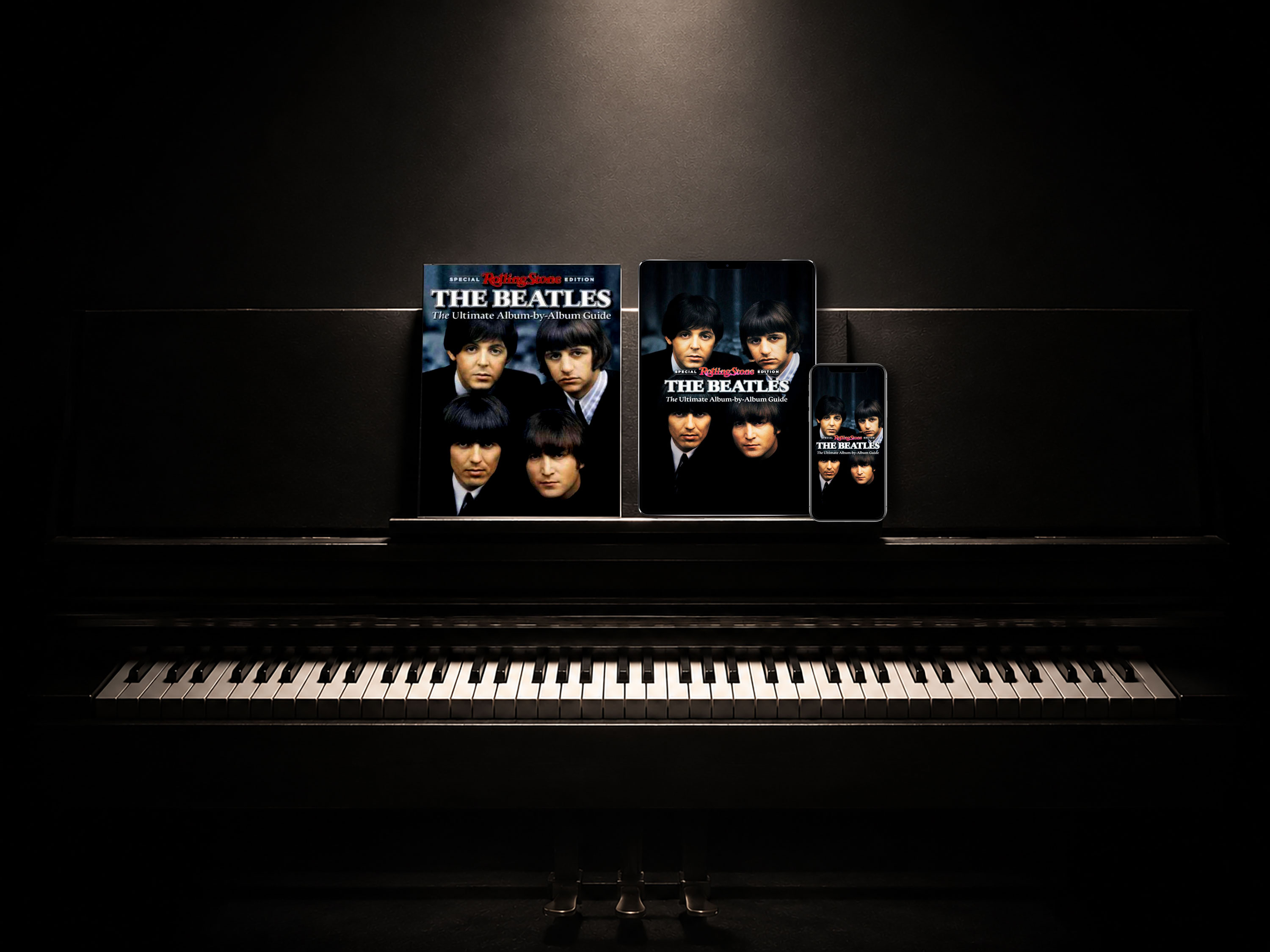
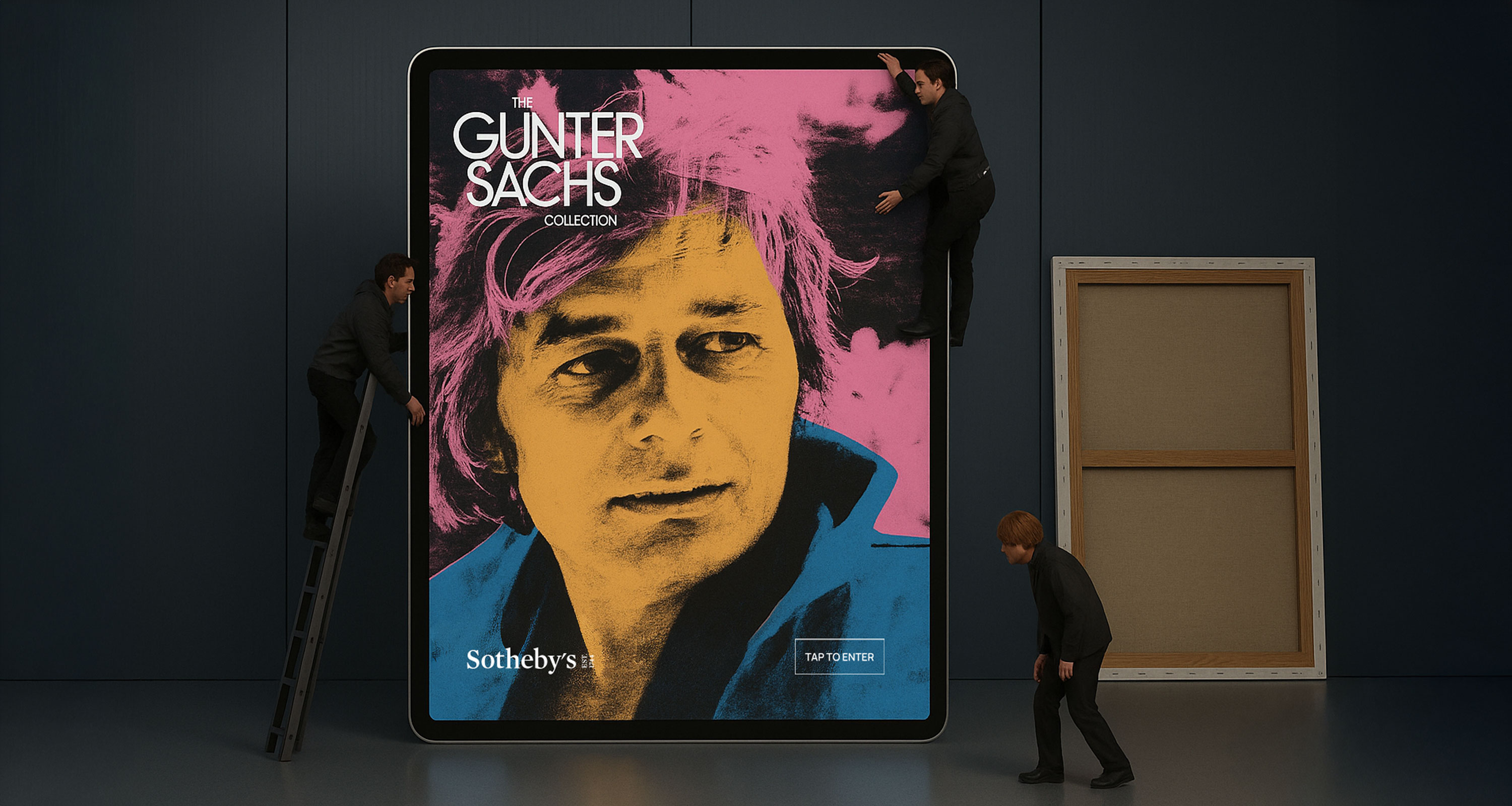
Digital Freemium Editions for Subscriber Growth
It started with a conversation.
A copy editor I was working with on the World Cup issue said wouldn't it be cool to do a standalone digital experience around this. We were covering the tournament in Rio and the material felt rich enough to do something more than a standard app update. We put our heads together, came up with the concept, and took it to the team.
Some of the print side didn't think we could pull it off. We did anyway.
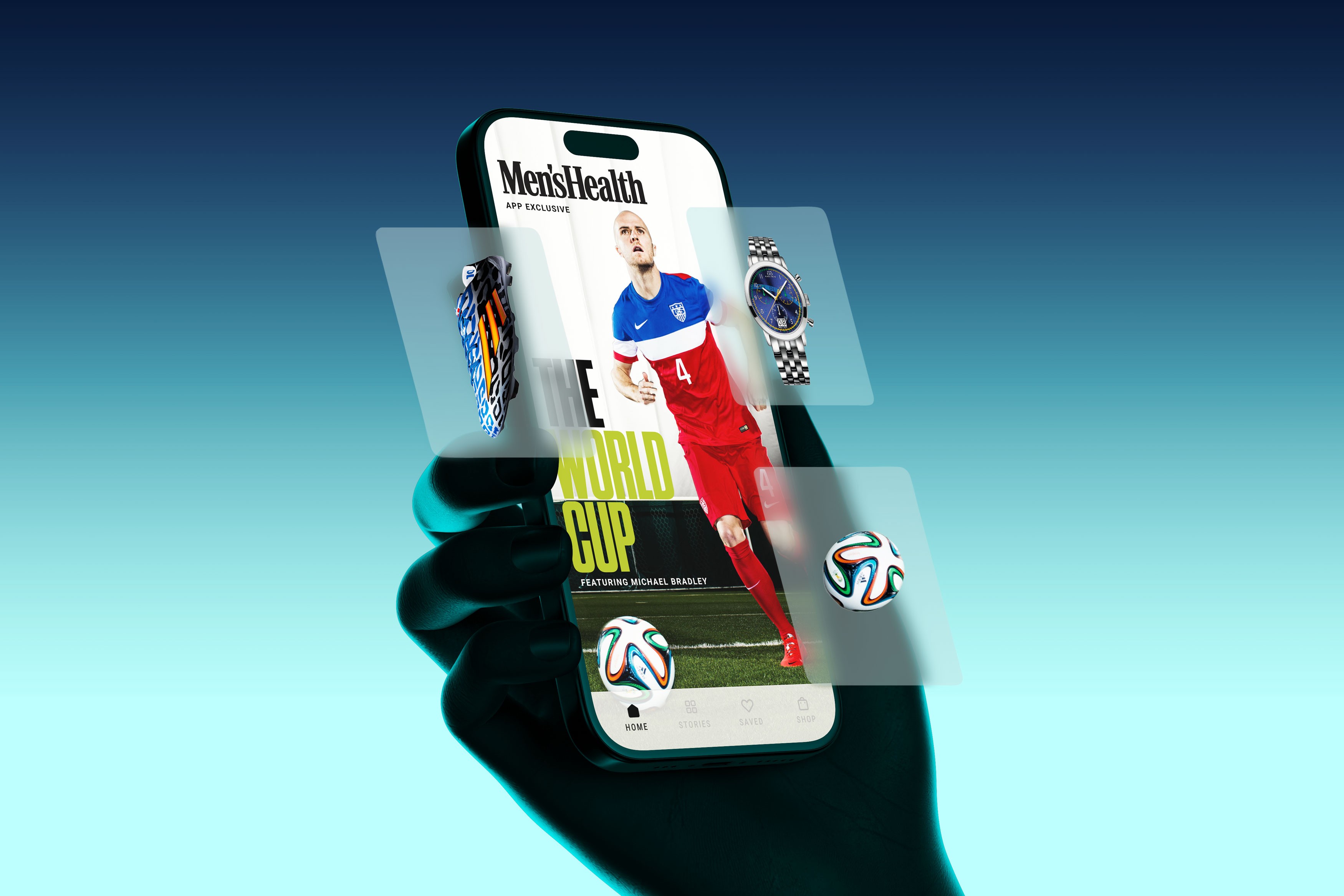
The idea was simple. The subscription team was already producing printed booklets and mini magazines as free giveaways to drive and retain subscribers. We proposed a digital version of the same thing. A free standalone experience built inside the Men's Health app that lived alongside the core subscription content, offering something richer and more immersive than the standard feed. No additional subscription required. Just a reason to come back, explore, and eventually convert. That's the freemium model, give people something genuinely good for free and let the quality make the case for paying.
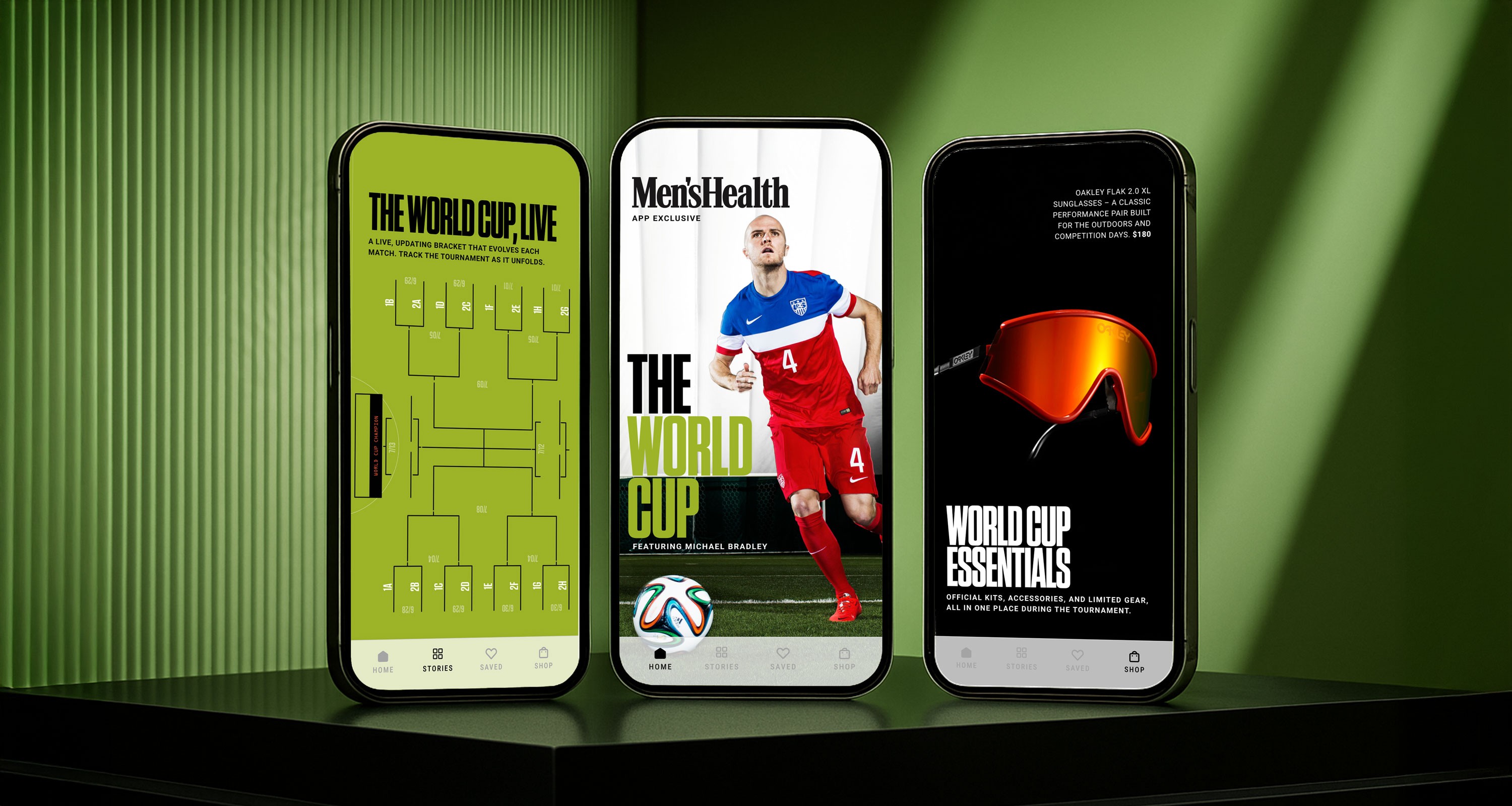
World Cup Edition
We worked with photo editors and the video team to build what we needed, tagging extra assets onto shoots already in production to keep costs minimal. The features went well beyond what the magazine could do on the page.
A bar finder let readers locate venues showing matches in their city. Pelé gave us an interview for a feature on his legacy, one of his later interviews before his death in 2022. A football chants feature included real audio clips from each competing nation so readers could actually hear them. Players filmed video tutorials on kicks and moves. We covered the Caipirinha, the culture of Rio and Brazil, and built a curated shop of official and limited edition World Cup gear woven into the editorial. A live updating bracket let readers track the tournament as it unfolded.
It was treated as something of an afterthought internally, with almost no advertising support. It was built on the back of existing production budgets. And it worked.
Outcome
The edition performed well and people responded to it genuinely. The subscription team took notice. What had started as a side conversation became a real strategic initiative. We began working closely with the subscription and sales teams to formalise the model, planning four freemium editions a year, each built around a cover moment or major cultural event. The framework was lightweight, replicable, and attached to production already happening, which meant the cost of each edition was a fraction of what a standalone production would have required.
Future Editions
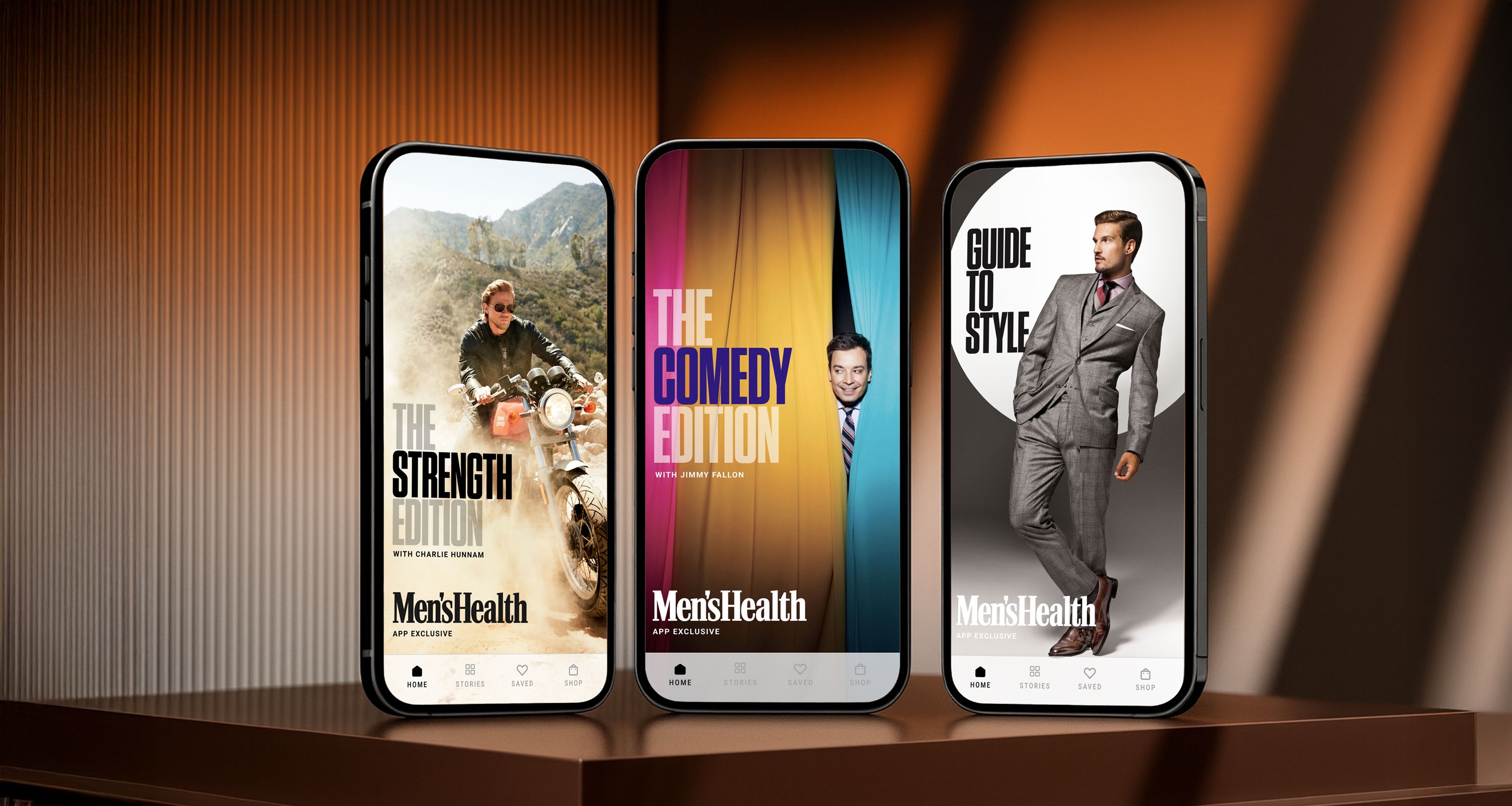
I worked with the managing editors to develop and plan the next wave of editions, thinking through the editorial angle, the exclusive content, and the features that would make each one distinct.
The Strength Edition, built around a cover shoot with Charlie Hunnam, would have included an exclusive interview video, an app-only functional workout, behind the scenes footage and photo outtakes, a bonus travel workout, and editorial on focus and longevity.
The Comedy Edition, built around Jimmy Fallon, was planned around improv and performance confidence clips, public speaking and anxiety tips, wellness and stress reduction features, voice and posture exercises, and behind the scenes content.
The Guide to Style Edition would have featured exclusive fashion shoots, body-type-based styling guides, fashion advice, fit and tailoring videos, and seasonal shopping.
We didn't get the chance to finish them. Rodale shuttered in the late 2010s publishing downturn and the magazine moved to Hearst. But the model was proven and the thinking was sound.
Key Takeway: The best ideas often start as a side conversation. When you build creative frameworks that attach to existing production rather than demand new budgets, good work finds a way to happen even when resources are thin.
date published
11 Dec 2025
reading time
3 min read